
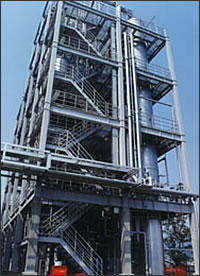
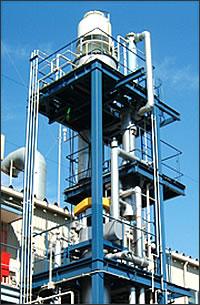
Methanol refinement systems, amyl alcohol refinement systems, ethanol refinement systems, hexanol distillation systems, propanol refinement systems, cyclohexanol distillation systems, isopropanol dehydration systems, ethylene glycol recovery systems, and butanol distillation systems.
Hexane distillation systems, tall oil distillation systems, benzene distillation systems, lubricating oil refinement systems, xylene-free distillation systems, low-boiling gas distillation systems, ethylbenzene recovery systems, fusel oil distillation systems, naphthalene distillation systems, propylene recovery systems, and turpentine oil distillation systems.
Ether distillation systems, camphor distillation systems, epichlorohydrin distillation systems, aniline distillation systems, dioxane refinement systems, acetonitrile distillation systems, furfural refinement systems, formalin distillation systems, cyclohexane distillation systems, monoethanolamine rectification systems, polyglycol ether distillation systems, dimethylformamide recovery systems, acrylic glycol ether distillation systems, acrylonitrile refinement systems, acetone recovery systems, pyridine distillation systems, methyl ethyl ketone recovery systems, picoline distillation systems, methyl isobutyl ketone recovery systems, and acetaldehyde recovery systems.
- Product guide
- Alcohol distillation
- Distillation equipment
- High-purity distillation system
- Membrane separation type solvent dehydration system
- Reactor
- Evaporative concentration equipment
- Coulter spray dryer
- Microwave treatment system
- Filter dryer
- OS filter (continuous vacuum rotating filter)
- Hydrocyclone (liquid cyclone)
- Thermal oil heater (heat medium boiler)
- Process air heater (air heater)
- Ammonia treatment system
- Catalytic deodorizing equipment for ammonia and VOC gas
- Stationary cryogenic storage tank
- Portable cryogenic container
- Cryogenic liquefied gas evaporator